
Can Cats Eat Cheese? Risks, Benefits, and Safe Feeding Guidelines
The information in this article is intended to educate cat parents and is not a substitute for veterinary guidance. In case of any concerns about your cat’s health, please talk with your veterinarian.
Cheese & Cats: The Short Answer
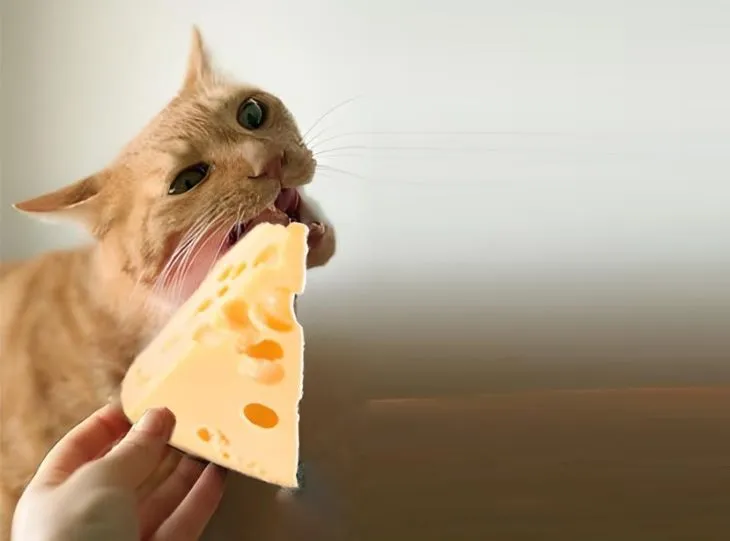
Yes, but only in moderation. Cheese is discouraged for cats due to risks of digestive issues, lack of nutrition, and potential long-term health problems.
Many common human foods can harm cats, so you need to choose their snacks carefully. Cheese might seem like an easy treat because pets and people often enjoy it, but cats have different digestive systems and nutritional needs than humans.
Talk with your veterinarian before adding cheese to your cat’s diet. This article will give you clear facts about how cheese affects cats, which types are safer, and how to offer small amounts without causing harm.
Key Takeaways
- Cheese can be tempting but isn’t always a healthy choice for cats.
- Some cheeses are less likely to cause problems, but many cats are sensitive to dairy.
- Always limit portions and check with a vet before feeding cheese to your cat.
Why Your Cat Craves Cheese?
Cats have very strong senses of taste and smell. The taste buds on their tongues love the creaminess and saltiness of cheeses. A cat’s sense of smell is very keen, thus the smell of cheese also entices them.
Why Is Cheese Bad for Your Cat?
- Most cats can’t break down lactose in dairy.
- Cheese can lead to vomiting, diarrhea, and stomach pain.
- High fat in cheese can upset digestion and cause gas.
- Offer small, lactose-free treats instead of regular cheese.
Can All Cats Eat Cheese?
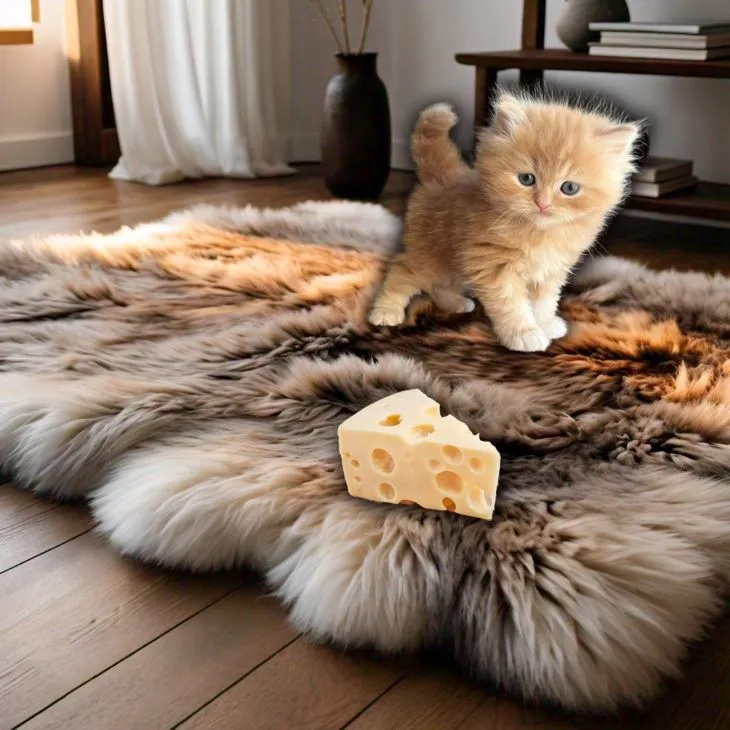
Most cats cannot handle dairy well. Your cat may enjoy cheese, but many lack the enzyme to break down lactose. That can cause upset stomach, vomiting, or diarrhea. Offer only tiny tastes and watch for any digestive signs.
What Cheeses Can Cats Eat?
Not all cheeses are suitable snacks for cats. Here are some safe cheese choices for your feline friend.
Cheddar Cheese
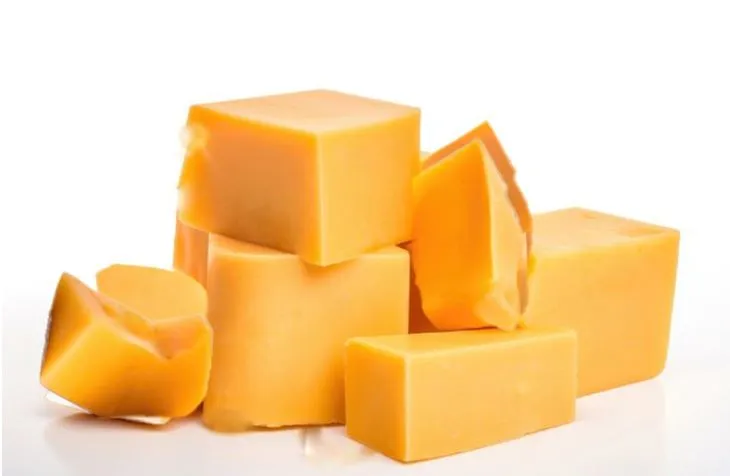
Cheddar cheese is a firm, natural cheese moderately high in fat but lower in lactose than soft cheeses.
Parmesan Cheese
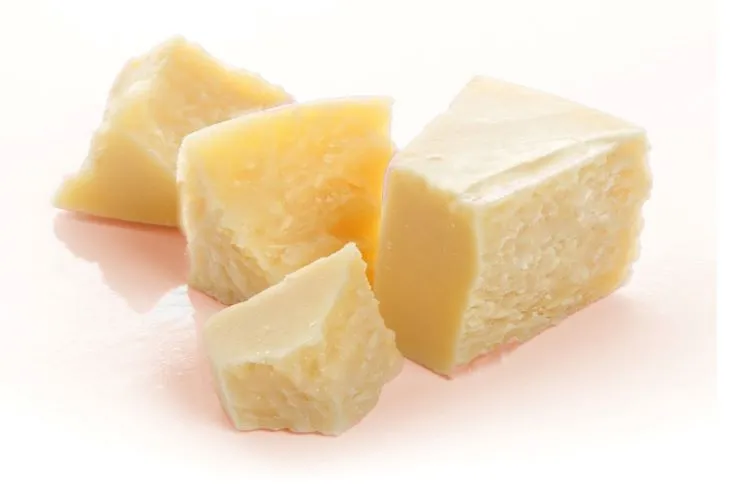
This Italian hard cheese packs tons of flavor cats love. Plus, it shreds into tiny pieces easily.
Provolone Cheese
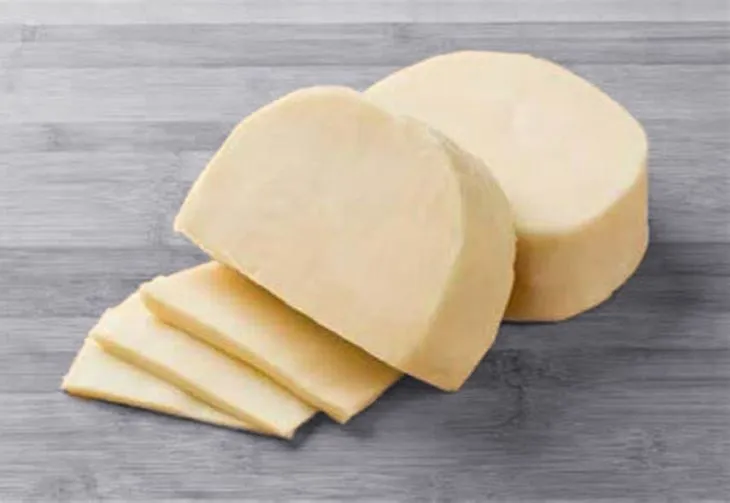
The smoky, rich taste of aged provolone entices feline taste buds.
Goat Cheese
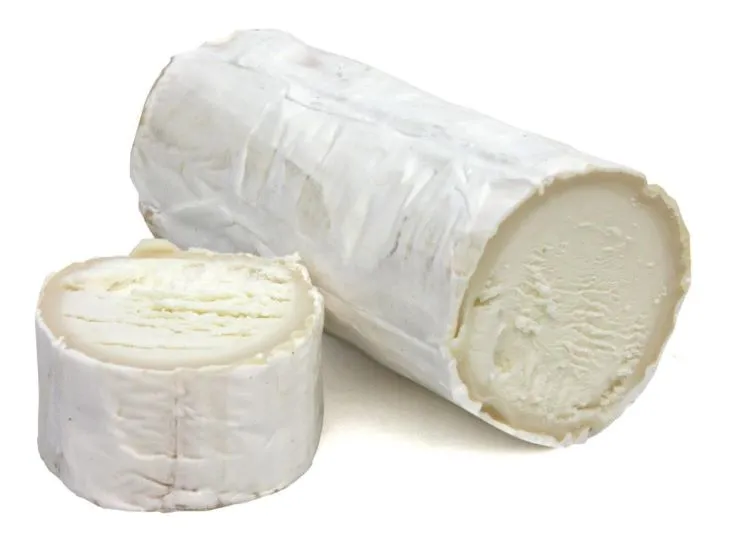
Lower in lactose than cow’s milk cheeses, tiny morsels of soft goat cheese are doable for some cats.
Swiss Cheese
With its mild nutty flavor and dense texture, a tiny piece of Swiss cheese makes for a nice surprise treat cats tend to enjoy.
Cheese Types Unsafe for Cats
Conversely, cats must avoid delicious, creamy cheeses like brie and mozzarella. Their higher lactose levels disagree with cats.
Cream Cheese
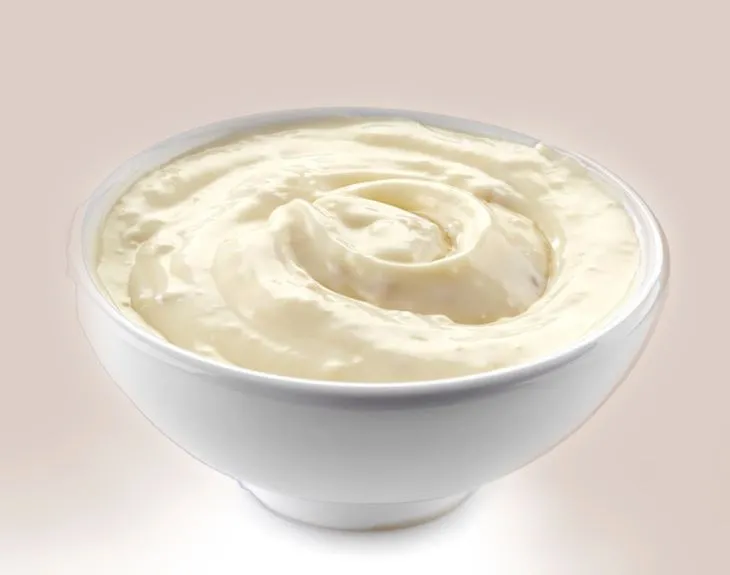
Cream cheese is too high for most cats to digest lactose and milk fat. Just a small amount can lead to vomiting or diarrhea cleanups afterward!
String Cheese
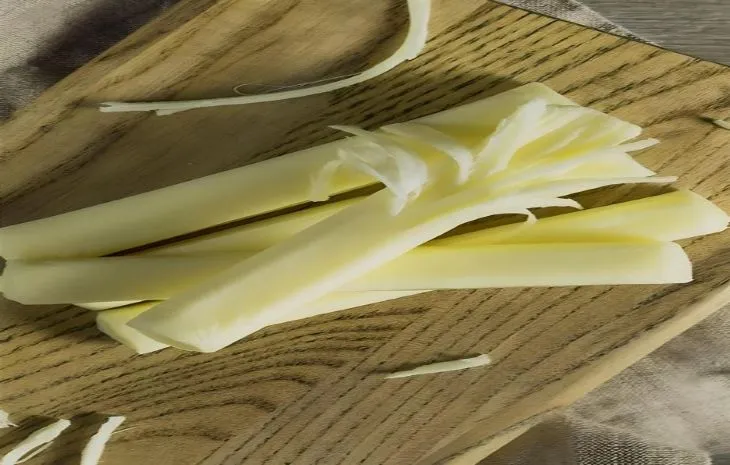
Those tasty strings are hard for cats to resist, but unfortunately, string cheese is made of mozzarella, which contains high levels of lactose unsuitable for felines.
Cheesecake
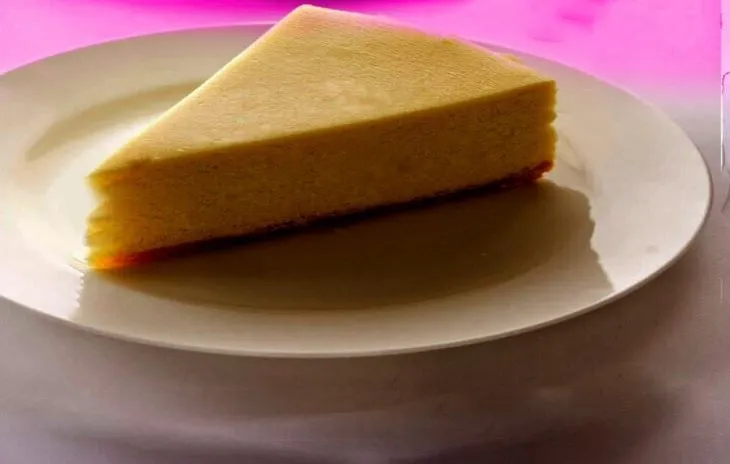
While cats seem attracted to creamy cheesecake, most varieties contain ricotta, cream cheese, or quark as the base – all off-limits cheeses for cats!
Cheez-Its
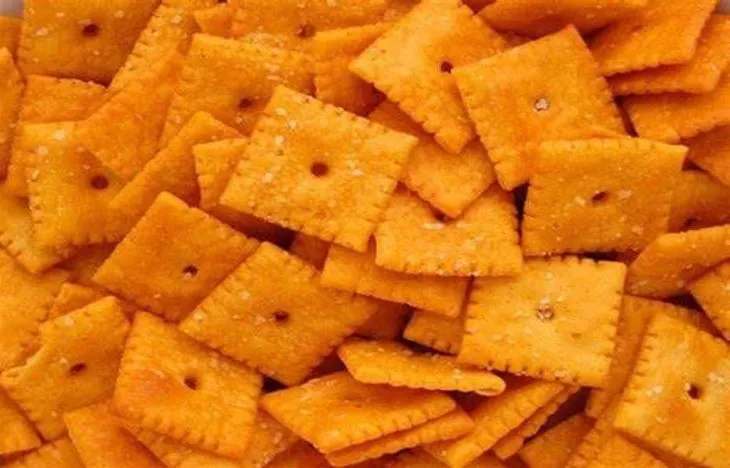
The onion, garlic, salt and preservatives crackers and cheese snacks like Cheez-Its pose safety risks for cats. Keep these addicting snacks out of paws’ reach!
Cottage Cheese
While the tiny curds may seem fun for cats to lick up, cottage cheese packs over 3 grams of lactose per 100-gram serving. That’s more than enough to overwhelm a cat’s lactose tolerance limits.
Can Cats Eat Cheese As A Treat?
Some cat owners utilize small pieces of cheese to help their cats swallow pills or tablets prescribed by the veterinarian. If a cat tolerates dairy well, vets may approve occasionally rewarding it with tiny cheese bites after successful medication dosing.
How Much Cheese Can Cats Eat?
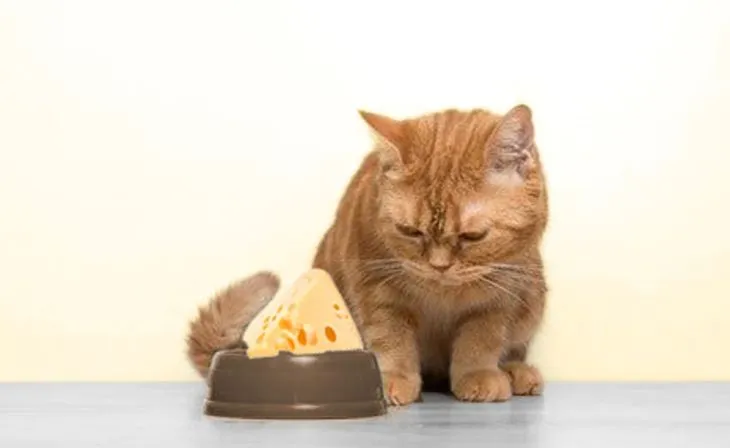
First, have your vet advice healthy calorie targets for your cat’s size. Treats like cheese mustn’t exceed ten per cent of that total daily. Read cheese labels closely to pick healthy kinds and serve tiny portions fitting your cat’s diet.
Benefits Of Feeding Cats Cheese
Unfortunately, cheese offers cats no nutritional or health benefits, only potential downsides. The risks from lactose, excess fat, and calories outweigh any joy from the taste. Ultimately, cheese provides cats with no positives to justify offering it.
How To Feed Cheese To Cats
If your cat begs for bites of your cheddar or Swiss cheese snack sometimes, the kitty may tolerate those hard cheeses in small amounts. But skip soft, creamy ones like brie that can easily upset a kitty’s tummy. A cat’s tummy is much smaller than ours! A cat only needs a tidbit, not a whole slice or triangle, which we would enjoy.
Frequently Asked Questions
Conclusion
While cheese may seem like a tasty snack cats beg for, most cheese types should be limited or avoided for cats altogether. The lactose and high-fat content can overwhelm delicate feline digestive systems. Some cats may tolerate occasional tiny portions of firm, low-lactose cheese varieties, but cheese provides no nutritional value worth the gastrointestinal distress it can cause.