
Do Cats Sleep With Their Eyes Open? Unraveling Feline Sleep Habits
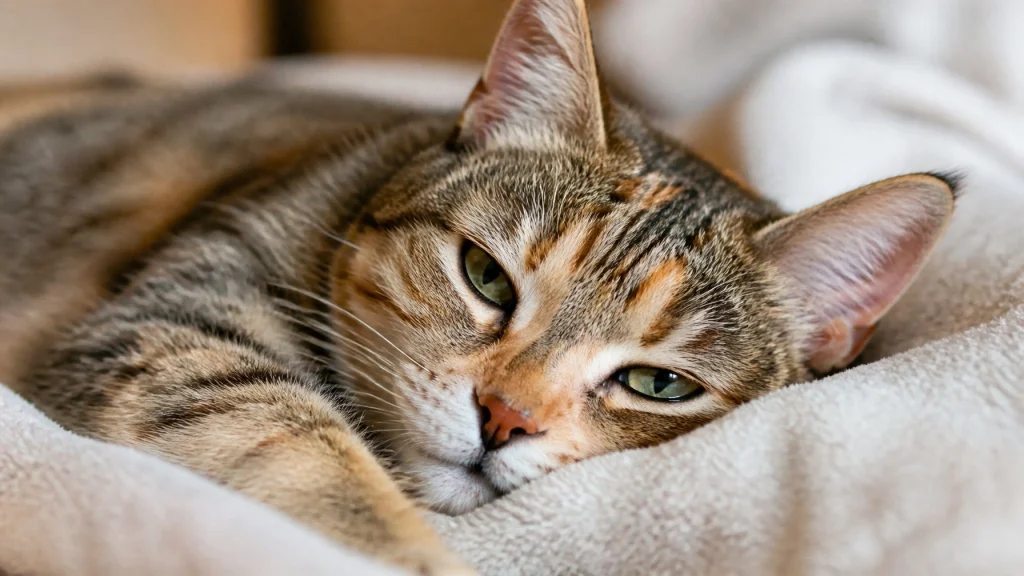
You might have caught your cat dozing with their eyes partly open and wondered if that’s normal. Yes — many cats sleep with their eyes open sometimes, especially during light sleep, and it’s usually nothing to worry about. I’ll show you why this happens and when you should pay attention.
The information in this article is intended to educate cat parents and is not a substitute for veterinary guidance. In case of any concerns about your cat’s health, please talk with your veterinarian.
You’ll learn how cat sleep cycles and a third eyelid let lids rest ajar, why older or anxious cats do it more, and which signs mean a vet visit is wise. Curious about what cats really think of their owners? Their sleep habits — including open eyes — offer clues about trust and vigilance. Stick around and you’ll never be startled by a sleepy stare again.
Key Takeaways
- Many cats nap with eyes partly open during light sleep and remain alert.
- Age, anatomy, and environment can make eyes-open sleeping more common.
- Seek vet care if you see trauma, discharge, or sudden changes in behavior.
Cat Sleep Cycles: The Whimsical World of Feline Slumber
I find cat sleep cycles oddly exact and funny at the same time. Cats nap a lot, move through clear sleep stages, and sometimes keep their eyes open while dozing.
How Much Do Cats Sleep?
Adult cats typically sleep 12–16 hours a day. Kittens and older cats sleep even more; kittens can snooze up to 20 hours. Those hours come in many short naps, not one long block.
Many naps last 15–30 minutes. During the day a cat often stays in light sleep and can wake quickly. Nighttime has more deep sleep episodes, though cats still wake easily. If your cat seems awake but relaxed, they’re likely in light sleep and ready to react.
Stages of the Cat Sleep Cycle
Cats cycle between wakefulness, non-REM (light) sleep, and REM (deep) sleep. A full cycle repeats several times across a 24‑hour period. Light sleep normally lasts 15–30 minutes, letting a cat keep some alertness.
During light sleep a cat’s muscles stay partly active, so they can twitch or shift positions. Deep sleep (REM) brings muscle relaxation, twitching, and rapid eye movement. You may see one eye open or eyelids slightly apart during light sleep—this is normal and linked to the sleep stage.
REM vs. Non-REM Sleep in Cats
Non-REM sleep (also called NREM) is the lighter phase. Cats in NREM can sleep with eyes partly open and respond fast to sounds. I watch my cat’s ears swivel during this stage; they can spring up in seconds.
REM sleep is deeper and linked to dreaming. Eyes move under the lids, and muscles relax more. Cats can still show partial eye opening in REM, but full, alert staring is rare. If you notice other problems—red eyes, discharge, or trouble closing an eye—get a vet check, since medical issues can also cause open-eye appearance.
The Science Behind Eyes-Open Sleeping
I watched many cats nap to understand why they sometimes keep their eyes open. The answers lie in sleep stages, a special eyelid, and how a cat’s eyes and brain stay partly alert.
Can Cats Sleep With Their Eyes Open?
Yes — many cats do sleep with their eyes partly open. This happens most in light sleep or when a cat wants to stay ready for quick movement. Older cats often show the trait more than young ones. According to Chewy’s expert guide on why cats sleep with their eyes open, this behavior is generally not a cause for concern and is simply a quirk of their sleep cycle.
When a cat is in a lighter sleep stage, their eyelids may relax without closing all the way. Muscles that close the eyelids loosen, and the third eyelid can slide across the eye. That lets the cat rest while staying aware of small movements or sounds nearby.
Sometimes the eyes look glassy or fixed. That can be normal, but if you also see discharge, swelling, or obvious pain, a vet check is wise. I pay attention to other signs before deciding if something’s wrong.
Nictitating Membrane: The Third Eyelid Explained
Cats have a nictitating membrane, or third eyelid, tucked in the corner of each eye. It moves sideways across the surface to protect and moisten the eye while still allowing some vision.
This membrane acts like a thin shield during rest. When a cat’s outer eyelids don’t fully close, the third eyelid can cover part of the eyeball to prevent drying and keep debris out. You’ll sometimes see a pale strip sweeping across the eye when a cat dozes. Veterinary Partner’s explanation of the third eyelid confirms this structure is crucial for eye health, and its persistent visibility can sometimes indicate an underlying issue.
The third eyelid also helps clear mucus and spread tear film. If the membrane stays visible while the cat is fully awake, that could signal illness, dehydration, or nerve issues. I watch for changes in color, position, or how long it stays visible.
Anatomy of Cat Eye Behavior During Sleep
Cat sleep includes light sleep, deep sleep, and REM. In light sleep, cats can keep one eye more open than the other and respond fast to sounds. That’s called being partly vigilant.
During deep sleep, the eyelids may still not be fully closed, but the third eyelid often covers more of the eye. In REM, eyes move under the lids and the face may twitch. The third eyelid may retract slightly then return.
Physical traits affect this behavior too. Breeds with flatter faces or looser eyelids might show more open-eye sleeping. Individual quirks matter as well — some cats just nap with bright, glassy eyes while staying perfectly healthy.
Why Cats Sometimes Nap With Their Eyes Open
I notice cats do this for a few clear reasons: staying alert, reacting to their surroundings, and sometimes because of age or eye issues. These reasons link to how cats sleep, their environment, and changes that come with getting older.
Natural Instincts and Vigilance
I watch my cat doze with eyes partly open and think of instincts. Cats evolved as both hunters and prey, so staying half-alert helps them spot movement while saving energy. During light sleep, their brain cycles between wakefulness and deeper sleep. That stage lets the eyes remain partially open so they can react quickly.
You may see ear twitches or a paw flick while they nap — signs they’re in a light sleep stage, not deep REM. This behavior answers “why do cats sleep with their eyes open” by showing a balance between rest and readiness. It’s normal and common, especially in homes where sudden noises or other pets appear. Understanding whether my cats playing or fighting can also help you recognize when your cat’s alertness during sleep is tied to tension with a housemate.
Environmental Factors and Comfort
The room, lighting, and noise level change how deeply my cat sleeps. Bright areas or unfamiliar sounds push them into lighter sleep, which raises the chance they’ll nap with eyes open. Comfortable spots like a high perch or a sunny window make them relax, but vigilance often stays.
If I play with my cat before bed, she sleeps more deeply and is less likely to keep her eyes open. A quiet, dark sleeping area helps move her through full sleep cycles and reduces light-sleep naps. Still, even well-exercised cats sometimes open their eyes when they want to scan the room without fully waking up.
Age-Related Eye Oddities
Older cats show this trait more often, and I’ve learned why. Aging can change eyelid strength and nerve function. Conditions like facial nerve weakness or damage to the eyelids and the third eyelid can stop full closure, so the cat appears to sleep with eyes open.
Medical issues can also cause twitching or unusual sleep behavior. If my older cat suddenly starts keeping eyes wide or shows other signs—discharge, redness, or seizures—I take her to the vet. For many seniors, though, slight eye-opening during naps is just part of getting old and usually not dangerous.
When Sleepy Eyes Signal Trouble
I watch my cats closely when they nap. A few small details—redness, discharge, or a stuck third eyelid—tell me whether a vet visit might be needed.
Recognizing Signs of Medical Issues
If my cat sleeps with eyes open but also shows pus-like discharge, constant tearing, or a change in pupil size, I treat that as a warning sign. Redness, swelling around the eyelids, or heavy crusting on the lashes can mean infection or inflammation.
Behavior changes matter too. If my cat pawed at an eye, blinked unevenly, or began squinting more than usual, I worry about pain or foreign bodies. Sudden vision loss, bumping into furniture, or unusual lethargy with eye changes requires prompt attention.
Keep a short log: date, symptoms, and whether one or both eyes are affected. That record helps the vet spot trends quickly.
Injury, Dryness, and the Nictitating Membrane
A scratch from a thorn or a cat fight can leave the cornea damaged. I look for visible cuts, cloudiness, or a cat guarding the eye. Dry eye (keratoconjunctivitis sicca) shows as thick, sticky discharge and a dull corneal surface.
The nictitating membrane (third eyelid) often rises when a cat is uncomfortable. If I see that pale crescent covering part of the eye while my cat naps, I consider dehydration, pain, or neurological issues. Sometimes the third eyelid simply shows during light sleep — that’s normal — but persistent protrusion is not.
Environmental causes are also worth checking: dust, pollen, and household chemicals can cause irritation. I try to remove the irritant and watch for improvement within 24–48 hours.
When to Consult a Veterinarian
call the vet right away if the eye is red, swollen, or has green/yellow discharge. Immediate care is also needed when the third eyelid stays visible, vision seems impaired, or the cat won’t open an eye.
For milder signs—occasional partial eye opening with normal clear tears—I monitor for one day. If symptoms persist beyond 48 hours, worsen, or spread to the other eye, I book an exam.
Bring photos or short videos to the appointment. That helps the veterinarian see the problem as it happens. If your cat’s eye issues are linked to weight or diet concerns, our cat feeding calculator can help ensure they are getting proper nutrition for overall health.
Tips for a Curious Cat’s Best Rest
I like to think of sleep as my cat’s secret adventure: safe spots, steady routines, and healthy eyes make that adventure restful. Below are practical steps I use to help my cat sleep deeply, stay alert when needed, and avoid eye problems.
Creating Cozy Spaces
I make at least two dedicated sleep spots: one tucked-away bed for deep naps and one elevated perch for light dozing. Use soft washable bedding and a low-sided bed so whiskers and paws can curl comfortably. Place the tucked-away bed in a quiet corner away from foot traffic and loud appliances.
Add a heated pad or a folded blanket in winter to mimic body warmth. Put the elevated perch near a window so my cat can watch outside without being disturbed. Avoid strong-smelling cleaners or loud household items near these spots; sudden noises can interrupt the cat sleep cycle and shift them from deep REM sleep to light alertness.
I rotate toys and bedding between washings to keep scents familiar but fresh. If my cat likes covered beds, I provide one with a small entrance to help them feel secure and able to open their eyes slightly while still resting. For more on burrowing habits, read our guide on why do cats sleep under the covers — another cozy behavior that often surprises new cat owners.
Encouraging Healthy Sleep Patterns
I play with my cat for 10–15 minutes before bedtime to burn off energy and trigger natural hunting rhythms. A brief feeding after play helps promote a longer, deeper sleep—cats often nap after a meal the way hunters rest after a successful catch.
I keep a predictable schedule: play, small meal, and then lights dimmed or low-level lighting. This routine reinforces natural circadian cues so my cat spends normal time in REM and non-REM stages, reducing odd light-sleep behaviors like sleeping with eyes open.
I limit late-night disruptions by moving litter boxes or noisy toys away from sleeping areas. If my cat naps a lot during the day, I encourage active play sessions in the evening to balance daytime sleep with night sleep. Consistency helps avoid fragmented sleep cycles and keeps my cat alert when awake.
Keeping an Eye on Eye Health
I check my cat’s eyes weekly for discharge, redness, or a persistently open lid. Normal light-sleep blinking can look odd, but constant openness, green/yellow discharge, or swelling needs a vet visit.
If I spot the third eyelid showing while awake, I note when it happens and bring it to the vet’s attention. Eye injuries, infections, or neurological issues can stop cats from fully closing their eyes. I also watch for sleep twitching or seizures during naps—those signs warrant immediate veterinary care.
I avoid over-the-counter human eye drops and only use vet-prescribed treatments. Regular checkups and a clean environment reduce the chance that my cat sleeps with eyes open for medical reasons rather than just being in a light sleep state.
If you recently welcomed a cat with a mysterious, watchful gaze, our cat name generator can help you find a name that matches their curious personality.
Final Note
The first time I saw Countess sleeping with her eyes half-open, I stood frozen for a good five seconds. Was she awake? Was she okay? Was she… plotting something?
Turns out, she was just being a cat.
And sometimes? She is hunting my toes at 3 AM.
After watching her do this countless times — during lazy afternoon naps, after playful evenings, and even while curled up against my legs — I have learned that this behavior is rarely cause for concern. It is simply a quirk of feline biology: light sleep, a third eyelid doing its job, and an instinct to stay alert even while resting.
That said, I have also learned to trust my instincts. When her eyes looked glassy or her third eyelid stayed visible while she was awake, I paid attention. When she seemed uncomfortable or showed other signs of illness, I called the vet.
Most of the time, though, your cat is just doing what cats do best: sleeping in a way that is slightly weird, slightly mysterious, and entirely normal.
So the next time you catch your cat dozing with one eye open, do not panic. Take a photo. Laugh a little. And know that your cat is simply balancing rest with readiness — just like their wild ancestors did.
Frequently Asked Questions
I’ll answer common worries about cats sleeping with open eyes. I focus on causes, when to watch for illness, and what to expect after surgery or anesthesia.