
Can Cats Eat Rice Cakes? Safety, Nutrition, and Better Treats
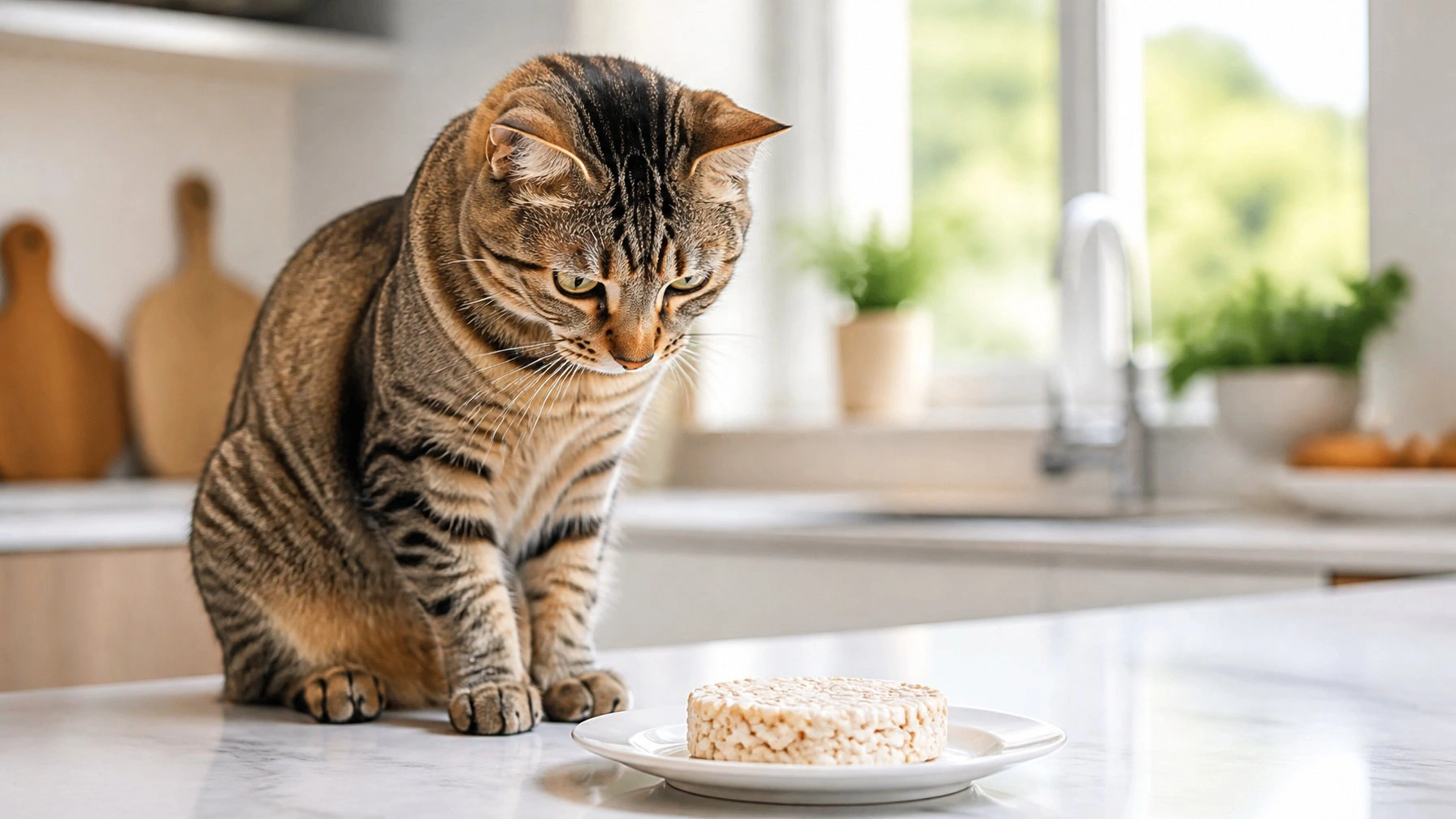
You might be tempted to share a crunch of your rice cake with your cat, but most rice cakes offer little to no benefit for a feline. Plain or lightly salted rice cakes are not toxic, but they do not meet a cat’s nutritional needs and should not become a regular treat.
The information in this article is intended to educate cat parents and is not a substitute for veterinary guidance. In case of any concerns about your cat’s health, please talk with your veterinarian.
I will explain what risks to watch for, why rice cakes are poor nutrition for obligate carnivores, and what safer snack choices you can offer instead. Stay tuned so you can make quick, informed choices the next time your cat begs at the table.
Key Takeaways
- Rice cakes are not poisonous but provide almost no nutritional value for cats.
- Cats need meat-based food; high-carb snacks like rice cakes can cause digestive upset or offer empty calories.
- Choose cat-safe treats and consult a vet if your cat shows any illness after eating human food.
Assessing the Safety of Rice Cakes for Cats
I will cover whether plain rice cakes pose immediate dangers, which added ingredients can cause problems, and why flavored or seasoned varieties need extra caution.
Toxicity and Immediate Health Risks
Plain rice cakes are not toxic to cats. A single small piece of plain rice cake usually won’t cause poisoning or severe symptoms. Most rice cakes contain only puffed rice and possibly a little salt, so immediate life-threatening risks are rare.
Digestive upset is the most likely short-term issue. Cats can vomit or have diarrhea after eating unfamiliar carbohydrates. If a cat eats a large amount, it can cause stomach discomfort or mild pancreatitis in sensitive animals.
Monitor for signs like repeated vomiting, lethargy, drooling, or refusal to eat. If you see severe symptoms, contact a vet right away. According to Catster’s expert guide on rice cakes for cats, plain varieties are safe but offer no nutritional benefit for felines.
Similarly, if you have wondered can cats eat mochi, the answer is also cautious — sticky rice treats pose choking and digestive risks.
Potential Ingredient Hazards
Many rice cakes include added ingredients that matter for cats. Salt, sugar, and artificial flavors can irritate a cat’s stomach and upset electrolyte balance if eaten in large amounts. Cats need very little sodium compared with people.
Some rice cakes or toppings may contain garlic, onion, or chives. These are toxic to cats and can cause anemia even in small amounts over time. Xylitol, a sweetener used in some flavored snacks, can cause low blood sugar and liver damage in pets. Sugar and artificial flavors are also concerns in other human foods — for example, can cats eat twizzlers explores why licorice treats are unsafe for felines.
Always read ingredient labels. If a rice cake or its topping lists any of the above items, keep it far from your cat.
Risks of Flavored and Seasoned Rice Cakes
Flavored rice cakes increase risk compared with plain varieties. Sweet coatings add sugar or xylitol; salty or savory flavors often include garlic, onion powder, or high sodium levels. Spices and artificial seasonings can cause stomach upset or longer-term health problems. Hepper’s vet-reviewed article on cats and rice cakes notes that seasoned varieties can cause digestive problems and should always be avoided.
Texture can be an issue. Hard, crunchy rice cakes may break into sharp pieces that could choke or injure the mouth and throat. Small, supervised tastes of plain, unsalted rice cake pose the least risk, but I do not recommend making them part of a cat’s diet.
If your cat eats a flavored rice cake, check the label for toxic ingredients and watch for signs of poisoning. Call your veterinarian or an emergency poison helpline if you suspect a dangerous ingredient.
Nutritional Value Versus Feline Dietary Needs
I compare what’s in rice cakes with what cats actually need. The points below show why rice cakes offer little benefit and when they might cause problems.
Carbohydrates and Empty Calories
Rice cakes are mostly starch. One plain rice cake has about 7 grams of carbs and under 1 gram of protein. Cats get no essential amino acids or meaningful fat from that snack.
Cats are obligate carnivores and use protein and fat for energy. Large carb loads can upset digestion and add empty calories that lead to weight gain. Even plant-based proteins like soy, explored in can cats eat edamame, are not ideal for cats compared to animal-based protein sources. If you give rice cakes, keep portions tiny and rare. Watch for vomiting, diarrhea, or reduced appetite after an offered piece. Avoid flavored varieties with sugar or high salt; those increase risk of gastrointestinal upset and sodium-related issues.
Lack of Essential Nutrients
Rice cakes lack taurine, arachidonic acid, vitamin A, and other nutrients cats cannot make. These nutrients come from animal tissues, not grains. Feeding rice cakes as substitutes for real cat food can cause deficiencies over weeks to months.
Even small amounts won’t supply needed vitamins and amino acids. I never recommend rice cakes as a dietary staple. If a cat eats one accidentally, it’s likely harmless, but repeated feeding can create long-term gaps in nutrition that require vet attention and dietary correction.
Comparison With Meat-Based Diets
Commercial cat foods list animal protein sources first and meet AAFCO nutrient profiles. A 30–40 gram serving of chicken or canned tuna supplies several grams of bioavailable protein and taurine that rice cakes cannot match.
Meat-based diets support muscle maintenance, immune function, and healthy skin. Rice cakes only add crunch and carbs. When I choose treats, I pick meat-based or vet-formulated options designed for feline needs, not human snacks like rice cakes.
How Cats React to Rice Cakes and What to Watch For
I watched what happened when a cat I know nabbed a rice cake. Most reactions are mild, but a few issues can show up quickly and need attention.
Digestive Reactions and Overeating
Plain rice cakes are low in nutrients for cats, so eating one or two usually just adds useless calories. I’ve seen cats get minor gas or soft stools after nibbling a rice cake, especially if it was flavored or had added salt or sugar.
If a cat eats several rice cakes, the extra starch can upset the gut. Watch for repeated vomiting, diarrhea, or lack of appetite for more than 24 hours. These signs mean the digestive system is stressed and a vet visit is wise.
If your cat has a sensitive stomach or known food sensitivities, even a small piece can trigger issues. When I offer new human foods, I give a tiny amount first and watch for 12–24 hours.
Choking Hazards
Rice cakes can break into sharp or large pieces that may block a cat’s throat. I always remove big chunks and never let a cat chew a whole rice cake by itself.
Small, hard crumbs can still be a risk for kittens or very small cats. If a cat is pawing at its mouth, gagging, or breathing strangely after eating a rice cake, treat it as a choking emergency and get immediate help.
Cut rice cakes into tiny, soft pieces before offering them, or avoid giving them at all. I prefer cooked plain meat as a safer treat than crunchy human snacks.
Recognizing Signs of Trouble
I look for these clear signs: persistent vomiting, more than two watery stools, drooling, lethargy, and changes in breathing. These symptoms suggest the cat is reacting poorly to the rice cake or an ingredient in it.
Also watch for tremors, seizures, or swelling around the face and throat—these are less common but require urgent veterinary care. If the rice cake contained chocolate, xylitol, or high salt, call the vet right away.
Keep a record of what and how much your cat ate. I note the brand and flavor, because additives like onion powder or excessive salt can explain delayed problems and help the vet act faster.
Safe Alternatives and Healthy Treat Options
I recommend small, protein-rich treats and vet-formulated snacks instead of rice cakes. Focus on meat-first choices, low additives, and portion control to protect your cat’s digestion and weight.
Meat-Based Treats
I give my cat plain cooked meats before any human snack like rice cakes. Small pieces of cooked chicken, turkey, or lean beef work well. Remove bones, skin, and all seasoning. Aim for bite-size pieces — about the size of your fingertip — to avoid choking and overeating. To ensure your cat maintains a healthy weight, our cat feeding calculator can help you determine proper portion sizes for their meals and treats.
Freeze-dried or dehydrated single-ingredient meats (chicken, salmon) are great for training or rewards. They keep protein concentrated and have no added carbs that rice or rice cakes would add. Watch calories: a few small pieces per day usually suffice for treats.
If you use canned fish, pick those packed in water, not oil, and limit to occasional servings because of salt and mercury concerns. Always introduce a new meat slowly and watch for vomiting or diarrhea.
Commercial Cat Snacks
I choose commercial cat treats that list meat or fish as the first ingredient. Look for products with few ingredients and no added sugars, garlic, onion, or excess salt — items that can hide in flavored rice cakes.
Check the label for calories per treat. Many cat treats are 1–3 kcal each; this helps with portion control. For dental benefits, some veterinary dental treats also reduce tartar, but confirm they’re appropriate for your cat’s age and chewing ability.
If your cat has allergies or a sensitive stomach, I use limited-ingredient or hypoallergenic treats. When in doubt, consult your vet or a pet nutritionist before switching treats.
Homemade Treat Suggestions
I make simple homemade snacks from cooked, unseasoned foods. Mix shredded cooked chicken or turkey with a small spoon of canned pumpkin (not pie filling) for fiber and portion control. Freeze in ice cube trays and thaw a cube as a single treat. For cat owners wondering about dairy, our guide on can cats eat cheese explains which types are safer and which to avoid.
For a crunchy option, bake thin strips of boneless chicken at low heat until dry. If you are curious about other human foods, learn whether can cats eat bananas — another common question from cat owners. Store in the fridge up to a week. Another option is plain cooked egg: offer a small bit of scrambled or hard-boiled egg, no butter or salt.
Avoid adding rice or rice cakes as a base. Rice offers little to my cat nutritionally and can add unnecessary carbs. Keep homemade treats meat-focused, limited in portion, and free from seasonings.
When to Consult a Veterinarian and Online Help Resources
I will tell you when I would contact a vet and how I use online services for quick advice. Know the signs that need urgent attention and the pros and limits of telemedicine for pet care.
When to Seek Veterinary Advice
If your cat ate a whole rice cake and shows vomiting, diarrhea, or lethargy, I would call a vet right away. These signs can mean a blockage, high salt intake, or a reaction to added ingredients.
I would also seek immediate care if I see tremors, breathing trouble, persistent drooling, or if the cat becomes unresponsive. These are emergency symptoms that need an exam and possibly tests.
For mild signs—one small bite, no symptoms—I would monitor for 24 hours. If the cat has preexisting conditions (kidney disease, diabetes) I would contact my vet sooner, since even small dietary changes can matter.
Using Online Vet Services
I use online vet services when the issue seems non-urgent but I need professional guidance fast. I can upload photos, describe the rice cake type, and get veterinary advice without leaving home.
Online vets can tell me if the ingredients are dangerous, recommend home care, or advise whether an office visit is needed. They also help with dosage instructions if a vet prescribes medication.
I keep in mind limits: telemedicine can’t replace hands-on exams or X-rays. If an online vet recommends immediate in-person care, I follow that without delay.
Final Note
Here is the truth about rice cakes and cats: they are not the worst thing your cat could eat, but they are far from the best.
I know the temptation. That crunchy sound gets their attention. Those big, hopeful eyes make you want to share. But when I step back and look at what a rice cake actually contains — puffed starch, maybe some salt, possibly a questionable seasoning — I ask myself: what is my cat really getting out of this?
The answer is almost nothing.
Cats do not need carbohydrates. They do not benefit from empty calories. And they definitely do not need garlic powder, onion, or xylitol hiding in flavored varieties.
What they do need is animal protein. Real nutrition. Something that actually supports their health rather than just filling their stomach.
So the next time your cat begs for a bite of your rice cake, remember: sharing is not always caring. Sometimes caring means saying no — and offering a tiny piece of plain chicken instead.
Your cat will not hold a grudge. She will just wait for the next opportunity to test your resolve.
If your new cat has already mastered the art of begging for human food, you might as well give them a name that matches their snack-loving personality. Our cat name generator can help you find something fitting.
Frequently Asked Questions
I cover whether plain or flavored rice cakes are safe, how often to offer them, risky toppings, and what to do if your cat gets sick after eating one. I focus on clear limits, common hazards, and practical steps you can take right away.