
How To Stop A Cat From Crying At Night?
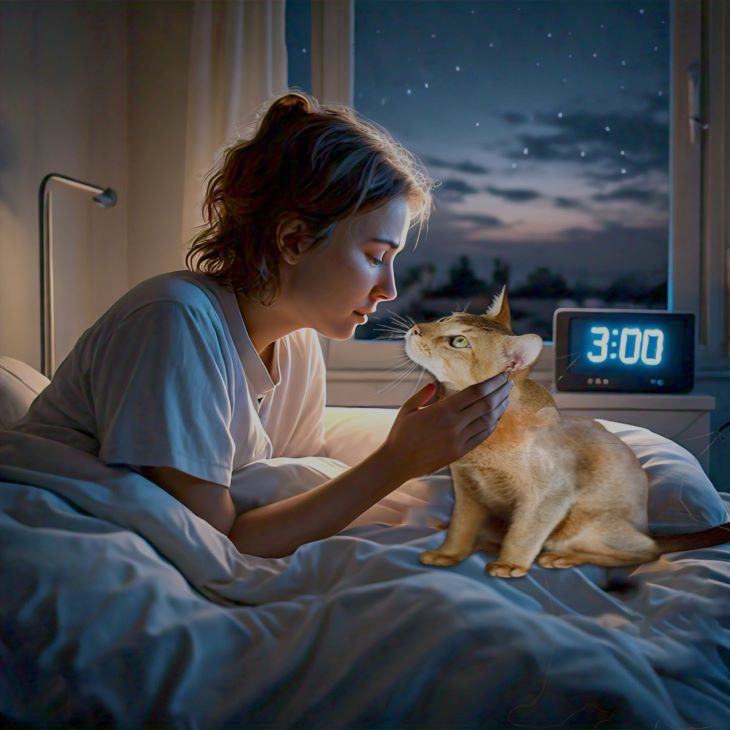
It is 3:00 AM. You are deep in sleep. Then comes the sound: a loud, insistent meow. Then another. And another.
The information in this article is intended to educate cat parents and is not a substitute for veterinary guidance. In case of any concerns about your cat’s health, please talk with your veterinarian.
I have been there. My cat, Mochi, went through a phase of crying every single night for weeks. I tried everything — ignoring her, feeding her later, even sleeping on the couch. Nothing worked. Finally, after consulting my vet and becoming a detective in my own home, I discovered the real cause.
In this guide, I will share exactly what I learned. Whether your cat is crying due to a medical issue, boredom, old age, or simply demanding attention, you will find practical, proven solutions to help you both sleep through the night.
Key Takeaways
- Rule out medical issues FIRST – Night crying can signal pain, hyperthyroidism, or cognitive decline.
- Most cats cry due to boredom or hunger – A simple play-and-feed routine before bed solves 70% of cases.
- Do NOT punish or shout – This increases anxiety and makes crying worse.
- Senior cats need special attention – Nightlights and consistent routines help disoriented older cats.
- Consistency is key – Behavioral changes take 1-2 weeks of sticking to the plan.
Why Do Cats Cry At Night? 7 Common Reasons

According to the ASPCA, adult cats primarily meow to communicate with people, not other cats. Nighttime crying is rarely “random.” Your cat is trying to tell you something.
Based on my experience and veterinary sources, here are the 7 most common reasons:
1. Medical Issues
- What it looks like: Sudden onset, crying while using litter box, loss of appetite
- Quick fix: Vet visit immediately
2. Hunger
- What it looks like: Cat leads you to empty food bowl, cries near kitchen
- Quick fix: Late-night small meal
3. Boredom
- What it looks like: Cat slept all day, has no toys, cries then runs around
- Quick fix: Daytime play sessions
4. Attention Seeking
- What it looks like: Cat stops crying when you enter the room
- Quick fix: Ignore the crying (hard but effective)
5. Loneliness/Separation Anxiety
- What it looks like: You work long hours, cat cries only when alone
- Quick fix: Evening quality time
6. Old Age/Cognitive Decline
- What it looks like: Senior cat seems confused, stares at walls
- Quick fix: Nightlights, consistent routine
7. Heat Cycle (Unspayed Females)
- What it looks like: Loud, persistent yowling, overly affectionate
- Quick fix: Spaying is the only solution
Have you recently brought a new kitten home? Existing cats often cry at night due to the stress of a new housemate. Following a proper how to introduce a kitten to an older cat process can prevent nighttime crying before it starts.
Medical Causes You Must Rule Out First
The ASPCA strongly recommends taking a cat who meows excessively to a veterinarian to ensure a medical condition is not the cause.
Common Medical Conditions That Cause Night Crying
- Hyperthyroidism: Overactive thyroid causes restlessness, increased appetite, and excessive meowing. Very common in older cats.
- Kidney Disease: Causes nausea and discomfort, often worse at night.
- Arthritis Pain: Your cat may cry when jumping off the bed or moving around in the dark.
- Dental Disease: Chronic mouth pain can cause random yowling, especially at quiet times.
- High Blood Pressure: Can cause disorientation and restlessness.
My personal experience: When my cat Mochi started crying at 3 AM every night, I assumed she was hungry. I fed her. She kept crying. It turned out she had early-stage hyperthyroidism. A simple blood test caught it. Do not assume attention-seeking until a vet rules out medical causes. If your cat seems anxious or fearful during the day, learning to recognize other signs your cat is stressed can help you connect daytime anxiety to nighttime crying.
When To See A Vet Immediately
Schedule a vet visit within 24-48 hours if your cat’s night crying is accompanied by:
- Changes in appetite or thirst
- Vomiting or diarrhea
- Weight loss
- Lethargy or hiding
- Crying while using the litter box
Real story: A friend’s cat started yowling at 2 AM every night. She assumed it was attention-seeking. After three months, she finally took him to the vet. He had late-stage kidney disease. Do not wait. Rule out medical causes first.
7 Proven Solutions To Stop Night Crying
Once your vet gives your cat a clean bill of health, try these solutions in order. The first three solve most cases.
Solution 1: The Play-Feed-Sleep Routine (Most Effective)
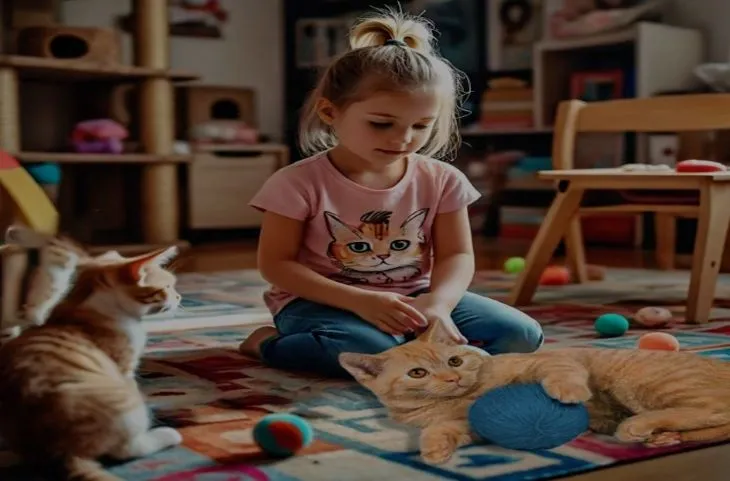
Cats are natural hunters. Their cycle is: Hunt → Catch → Eat → Groom → Sleep.
How to use this:
- Play actively for 10-15 minutes right before bed. Use a wand toy or laser pointer. Let your cat “catch” the toy at the end.
- Feed a small meal immediately after play. This mimics hunting and eating in nature.
- Your cat will naturally groom and then settle down to sleep.
According to BCP Veterinary Pharmacy, playing with your cat’s favorite cat toys before bed can help tire your cat out and reset its body clock.
My results: When I started this routine with Mochi, her night crying stopped within 4 days. It works because it addresses her natural instincts.
Solution 2: Adjust The Feeding Schedule

Many cats cry at night simply because they are hungry. This is especially true if you feed once in the morning and once in the evening.
What to do:
- Feed a small meal right before bedtime (not just 5 PM dinner).
- Use an automatic feeder to dispense a tiny portion at 3-4 AM if your cat wakes up hungry consistently.
- Leave a small bowl of dry food overnight (only if your cat maintains a healthy weight).
The ASPCA recommends automatic feeders for cats who wake owners up in the morning. Your cat will eventually sit and watch the feeder instead of bothering you.
Solution 3: Increase Daytime Enrichment
Cats sleep 12-16 hours a day. But if they sleep all day with no stimulation, they will be wide awake at 2 AM.
What to do:
- Leave puzzle toys filled with treats while you are at work.
- Set up a bird feeder outside a window for “cat TV.”
- Rotate toys weekly so they stay interesting.
- If possible, have a pet sitter visit midday for a play session.
As noted by BCP Veterinary Pharmacy, having too many cat naps during the day will reduce the amount of sleep your cat gets at night. The key is to keep your kitty as awake and active as possible during daylight hours.
Solution 4: Ignore Attention-Seeking Meows (Hard But Works)
This is the hardest solution because it gets worse before it gets better.
The process:
- Ensure all medical issues are ruled out.
- Ensure your cat has food, water, and a clean litter box before bed.
- When your cat cries at night, do not get up. Do not shout. Do not even acknowledge the cat.
- Any attention — even negative attention — teaches your cat that crying works.
- Wait for a brief moment of silence. Then, if you must do something, only interact when quiet.
The ASPCA confirms: “Resist the urge to shout at her or give her any form of attention, even angry attention. Instead, be patient and wait for a brief moment of silence. Immediately give her the attention she craves.”
Warning: The crying may increase for 3-7 days before it stops. This is called an “extinction burst.” Stay consistent. Wear earplugs if needed.
Solution 5: Create A Calming Night Environment
Some cats cry because they feel disoriented or anxious in the dark.
What to do:
- Plug in a Feliway pheromone diffuser in the room where your cat sleeps. These release calming synthetic cat pheromones.
- Add nightlights in hallways and near the litter box.
- Play white noise or calming cat music at low volume. On the flip side, be mindful of noises that may be stressing your cat. Certain everyday sounds cats hate — like vacuum cleaners or loud electronics — can trigger anxiety and contribute to night crying.
- Ensure your cat has a comfortable bed in a quiet location away from windows where outside animals may trigger anxiety.
BCP Veterinary Pharmacy recommends placing nightlights around your home, particularly near potential hazards like stairs, to help disoriented cats feel more confident at night.
Solution 6: Clean The Litter Box Before Bed

This simple fix is often overlooked. Cats are incredibly clean animals.
If your cat’s litter box is dirty, she may cry to express dissatisfaction. Or worse, she may avoid the box entirely and pee elsewhere.
What to do:
- Scoop the litter box right before you go to sleep.
- Ensure the box is in a quiet, easily accessible location (not next to a noisy washing machine).
- If you have multiple cats, have one more box than the number of cats.
BCP Veterinary Pharmacy notes: “Scoop your cat’s litter box twice daily, with one of those cleanouts being just before bed. That could be all it takes to keep your cat happy and quiet at night.”
Solution 7: Consider Spaying/Neutering
If your cat is not spayed or neutered, this is likely the cause of night crying.
Female cats in heat: Yowl loudly and persistently to attract males. This lasts 4-10 days and repeats every 2-3 weeks during breeding season.
Male cats intact: Yowl when they detect a female in heat nearby. They may also spray urine and try to escape outdoors.
The ASPCA confirms that the best way to reduce excessive meowing caused by the heat cycle is to have your cat spayed or neutered. If your cat just gave birth, learn how soon after kittens can a cat be spayed to plan the procedure and prevent future heat-related crying.
My experience: Before I rescued my current cats, I fostered an unspayed female. The non-stop yowling at night was exhausting. Within two weeks of spaying, the yowling stopped completely.
Special Case: Senior Cats & Cognitive Dysfunction
Cats over 10-12 years old may suffer from Cognitive Dysfunction Syndrome (CDS), similar to Alzheimer’s in humans.
Symptoms of CDS:
- Yowling at night for no apparent reason
- Staring at walls or getting “stuck” in corners
- Forgetting litter box location
- Changes in sleep-wake cycles (sleeping all day, awake all night)
- Disorientation in familiar places
What to do for senior cats:
- Nightlights everywhere. Your cat may be confused and scared in the dark.
- Keep a consistent daily routine. Feed, play, and sleep at the same times.
- Do not rearrange furniture. Your cat navigates by memory.
- Talk to your vet about supplements (like omega-3 fatty acids, or prescription diets for cognitive health).
- Be patient and compassionate. Your cat is not being “bad.” She is scared and confused.
Personal note: My first cat, Patches, developed CDS at 16. She would yowl at 2 AM like she was lost in the living room. I learned to get up, turn on a soft light, speak gently to her, and guide her back to her bed. It was exhausting, but she wasn’t doing it on purpose. She needed me.
What NOT To Do (Common Mistakes)
Avoid these mistakes. They make night crying worse.
- DO NOT shout or punish your cat. The ASPCA warns that scolding or hitting “may cause her to become fearful of you” and will not stop the meowing.
- DO NOT give in and feed your cat every time she cries. You are training her to cry more.
- DO NOT assume it is attention-seeking without a vet visit. I made this mistake with Mochi and delayed her hyperthyroidism diagnosis.
- DO NOT lock your cat in a basement or isolated room. This increases anxiety and will cause more crying, not less.
- DO NOT give up after 2-3 days. Behavioral changes take 1-2 weeks of consistency.
They may meow at night to show their dissatisfaction.
Frequently Asked Questions
Conclusion: Your Path To Peaceful Nights
Nighttime crying is exhausting. I know because I have been there — awake at 3 AM, frustrated, Googling solutions while my cat yowled from the hallway.
Here is the path that works:
- Step 1: Vet visit. Rule out medical causes first. Always.
- Step 2: Start the play-feed-sleep routine tonight. This solves 70% of cases.
- Step 3: Add nightlights and a clean litter box before bed.
- Step 4: If crying continues, ignore it consistently for 1-2 weeks.
- Step 5: For senior cats, talk to your vet about CDS management.
You and your cat both need sleep. Your cat is not crying to annoy you. She is trying to communicate a need: hunger, pain, boredom, confusion, or simply love.